Human + Machine: Finding the Perfect Balance
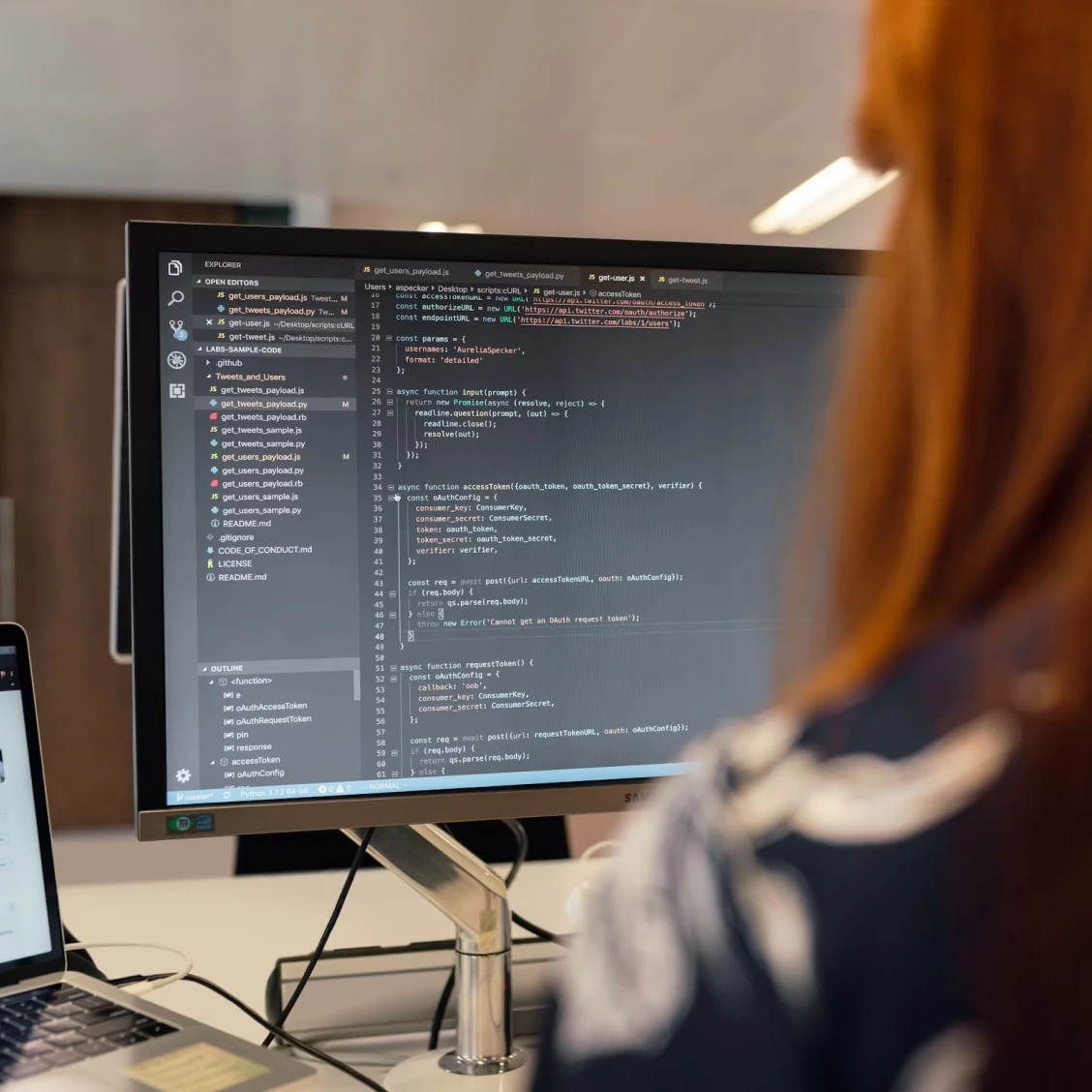
The question is not whether people or machines should do the work. It is how each can contribute where it is strongest, with accountability remaining clear.
Separate repetition from judgment
Many workflows mix predictable, repetitive steps with moments that require context, empathy or responsibility. Automating the whole workflow because part of it is repetitive can create hidden risk.
Map the work at the level of decisions and handoffs. Let technology prepare, retrieve, classify or calculate where it is reliable. Reserve ambiguous, consequential or relationship-sensitive choices for people.
Design a visible handoff
A human-in-the-loop is not useful if the person receives an unexplained recommendation at the last second. Good handoffs show the source information, confidence, rationale and available choices in a form that supports review.
The reviewer must also have a meaningful ability to correct the output. Those corrections should become a source of learning for the workflow, not disappear into an audit log.
Give every workflow an accountable owner
Automation can spread across tools quickly, which makes ownership easy to lose. Each workflow needs someone responsible for its purpose, inputs, quality thresholds, exceptions and change decisions.
Ownership makes improvement possible. It creates a place for feedback from users and for reviewing whether the system is still serving the process it was designed to support.
Measure trust as well as throughput
Time saved matters, but so do error rates, reversals, escalation volume and user confidence. If a system creates workarounds or forces people to check every output, its apparent efficiency may not be real.
Start with a contained use case, measure the full experience and adapt. The strongest human-machine systems become more reliable because they make learning visible.